
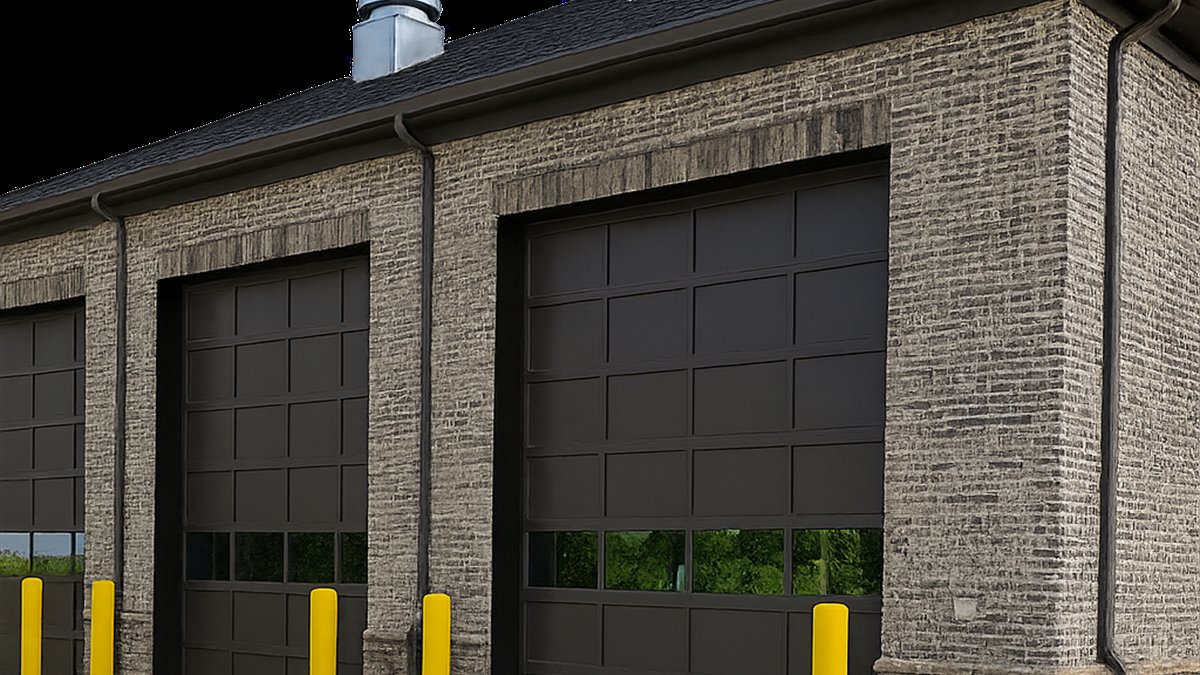
A failed commercial door is an operations problem
When a commercial garage door stops working in Denver, the repair is rarely just about the door. A stalled dock door can delay deliveries, trap fleet vehicles, expose inventory, or force staff to work around an unsafe opening.
That is why commercial garage door repair should be handled as a service call with safety controls, access planning, and clear documentation. The right move is not to force the operator until it moves. The right move is to secure the area, note the symptoms, and schedule a technician who understands commercial doors, operators, and facility workflows.
For the fastest local path, start with commercial garage door repair in Denver or the main commercial garage door repair service.
Signs your Denver facility should schedule repair
Book service when a commercial door affects access, security, or daily throughput. Common warning signs include:
- The door stalls, reverses, or stops mid-cycle
- A dock door will not seal before loading starts
- Tracks, rollers, hinges, or brackets look bent or loose
- The operator hums, clicks, trips, or shows fault codes
- A high-cycle door moves slower than normal
- A rolling steel door binds, rattles, or will not latch
- Safety sensors, photo eyes, or edge sensors fail testing
- Panels or slats were hit by a forklift, truck, or cart
- Staff have started bypassing the door because it is unreliable
If a door is hanging unevenly, stuck open, or blocking a bay, treat it as urgent. A delayed repair can turn one damaged component into a larger operator, track, spring, or panel problem.
Why commercial doors fail differently than residential doors
Commercial doors carry more cycles, heavier hardware, and more operational pressure than a typical home garage door. In Denver warehouses, fleet yards, retail service bays, and mixed-use buildings, the door often runs through weather swings, dust, vehicle traffic, and tight delivery windows.
The most common causes include:
- Worn rollers or hinges after repeated daily cycles
- Bent tracks from vehicle or equipment impact
- Operator strain from an unbalanced door
- Loose brackets from vibration
- Damaged photo eyes, edge sensors, or controls
- Corroded springs, cables, or fasteners near wet dock areas
- Slat or panel damage on rolling steel and sectional doors
- Seal failure that lets wind, water, or cold air into the bay
A good repair visit should identify the root cause, not just reset the door long enough for the next shift.
What to do before the technician arrives
Facility teams can reduce risk before service without attempting a dangerous repair.
- Stop cycling the door if it is binding, crooked, or noisy
- Keep staff, carts, and vehicles away from the opening
- Mark the affected bay as out of service
- Do not bypass safety devices to keep production moving
- Record the symptom, operator error code, and when it started
- Note any recent impact, power issue, or weather event
- Have a site contact ready for access and approval
Do not loosen springs, bottom brackets, cables, drums, tracks, or operator arms. Those parts can be loaded even when the door is not moving.
What a commercial repair visit should include
Commercial service needs more structure than a quick residential tune-up. A proper visit should include:
- Door position and opening safety check
- Lockout or area-control steps before movement
- Track, roller, hinge, bracket, and fastener inspection
- Spring, cable, and balance review
- Operator, control, and limit-setting diagnostics
- Safety sensor, edge sensor, and reversal testing
- Panel, slat, seal, and weather exposure assessment
- Repair notes that a facility manager can keep on file
If the door protects a loading bay, service lane, or fleet area, documentation matters. It helps your team explain downtime, plan replacement budgets, and reduce repeat failures.
Repair, replace, or schedule preventive service?
Many commercial door problems can be repaired if the structure, tracks, hardware, and operator are still matched to the door’s workload. Replacement becomes more realistic when the door has repeated impact damage, severe track distortion, obsolete controls, failing safety devices, or hardware that no longer fits the cycle count.
Use this simple decision path:
- Repair when the failure is isolated and the door can be restored safely
- Replace components when wear is predictable but the door system is still sound
- Discuss replacement when repeated downtime costs more than new equipment
- Add preventive service when the door is critical to shipping, access, or security
If the issue points beyond repair and into a new system, compare the planning path on commercial garage door installation. For broader service coverage, the commercial garage doors page explains the main door types Colorado Garage Door Fix supports.
Choose the right service path
Facility managers looking for commercial garage door repair in Denver usually need a direct service answer, not a DIY tutorial. The right service path depends on the door type, the risk level, and whether the opening can stay safely out of service.
Use these pages to move faster:
- Use the Denver commercial repair page when the property is in or near Denver
- Use the commercial repair service page for broader repair details
- Use installation pages when downtime points toward replacement
- Call when the door is stuck open, blocking a bay, or creating a safety issue
The goal is simple: fewer unsafe workarounds, faster decisions, and a repair plan that fits your building’s actual operating needs.
Book commercial garage door repair before downtime spreads
If a Denver commercial garage door is slowing operations, blocking a bay, or creating a safety concern, schedule service before crews work around the failure.
Colorado Garage Door Fix handles commercial garage door repair for Denver warehouses, loading docks, fleet facilities, retail bays, and commercial properties across the Front Range. We inspect the full system, explain the failure, and restore safe operation with clear communication for your team.
Call (970) 409-1369 if your commercial garage door is stuck, unreliable, damaged, or affecting facility access.